


Valneva SE, a vaccine company, today announced the publication of all data from the Phase 1 clinical trial of its investigational chikungunya vaccine, VLA1553, in the medical journalThe Lancet Infectious Diseases.
This Phase 1, single-blind, randomized study investigated the primary outcome safety of the CHIKV vaccine.
The study was conducted between March 5, 2018, and July 23, 2019, with 120 adults recruited and assigned to receive a low (n = 31), medium (n = 30), or high (n = 59) dose of the experimental vaccine. The vaccine was shown to be safe in the high-dose group and well tolerated in the low-dose and medium-dose groups. No vaccine-related serious adverse events were reported. Data through month 12 after a single immunization of the 120 healthy volunteers showed a good immunogenicity profile with 100% seroconversion rates achieved by day 14 (103 [100%] of 103) and maintained for 1 year in all dose groups. A single vaccination was sufficient to induce maintenance of high titer neutralizing antibodies, as evidenced by the absence of anamnestic response after any revaccination ranging from 94% to 100% of participants. After revaccination, vaccinees were protected from vaccine-induced viremia.
Source: The Lancet
Wolfgang Bender, Chief Medical Officer of Valneva, commented, "We have reported excellent Phase 1 results for our Chikungunya vaccine and are pleased that these important results are now fully available for one of the largest community-acquired infectious diseases. Millions of people have been affected by chikungunya and our goal is to help address this public health crisis. " Valneva previously reported positive results from phase 2 trials with the U.S. Food and Drug Administration (FDA) in February 2020 and is now preparing to start phase 3 clinical trials later this year.
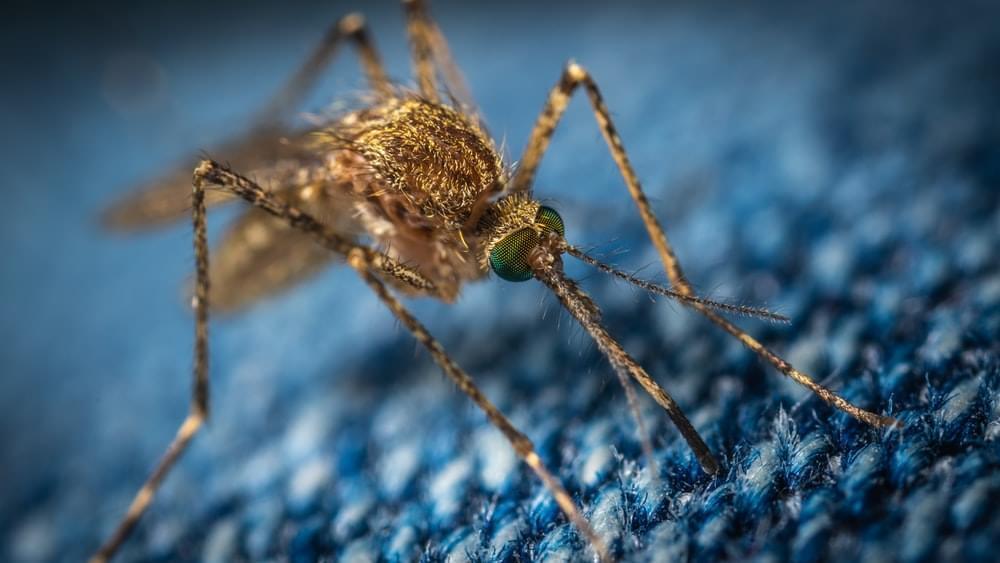
Chikungunya is a viral etiology disease transmitted to humans by mosquitoes of the genus Aedes.
After incubation, it usually manifests with fever accompanied by severe debilitating joint pain, often bilateral.
Most patients usually recover completely after a week, but in some cases joint pain may persist for several months or even years.